
How free CDs built an open source movement

The package arrived with the unassuming weight of a mid-aughts miracle: a cardboard box, thick with international postage, containing a stack of Ubuntu CDs sent entirely for free by Canonical with each disc carrying its own simple branded design, the family of Ubuntu, Kubuntu, and Edubuntu releases all bundled in together, spanning the run of versions before free shipping ended and Malta’s own connections finally caught up.
For a 14-year-old on a small Mediterranean island anchored by limestone and ancient history, pulling those colorful discs out of the sleeve felt like discovering a backdoor to the internet’s central nervous system.
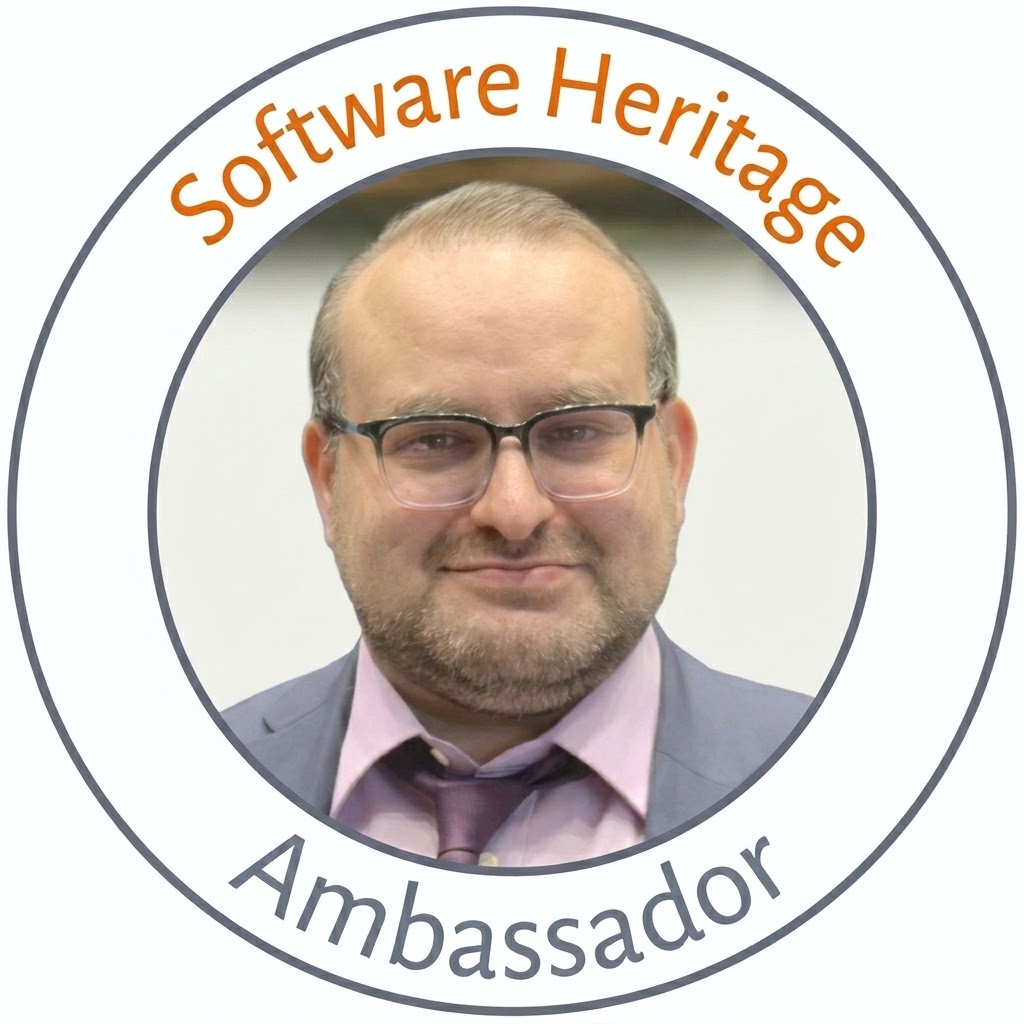
That teenager was Warren Camilleri, and that single delivery, starting with 4.10 up to 10.04 LTS a year later, had quietly rewired his entire concept of reality. On an island where “the way things are done” was practically carved into the cliffs, the realization that an entire world of powerful infrastructure could be built and shared by anyone was a glitch in the local matrix. The community Camilleri founded has scaled into a formidable grassroots hub. He first discovered MLUG, Malta’s Linux User Group, but his passion for open source extended far beyond a single kernel. Older members recognized his drive, and in 2006, the Open Source Society Malta was born.
What started with a box of CDs now spans Maltese universities, government tech agencies, and local developers linked directly into peer open-source networks across Europe and the Maghreb. Now, the society is scaling again, angling to become a fully-fledged Maltese and European Union foundation, positioning itself as the island’s open-source steward just as the Cyber Resilience Act reshapes the landscape. It’s this long track record of community stewardship that led to Camilleri’s recent appointment as a Software Heritage Ambassador.
From shared recipes to shared code
Camilleri likes to frame open source as a communal cookbook: a living architecture where recipes are passed down, hacked, and optimized by whoever shows up to cook, and worth protecting because the code carries the DNA of the community who built it. The analogy fits his own work. Over the past two decades, he and OSSMalta have contributed Maltese localizations to WordPress and LibreOffice, helped bring the Maltese language into mainstream operating systems, and worked alongside the national language archivists to preserve its digital form.
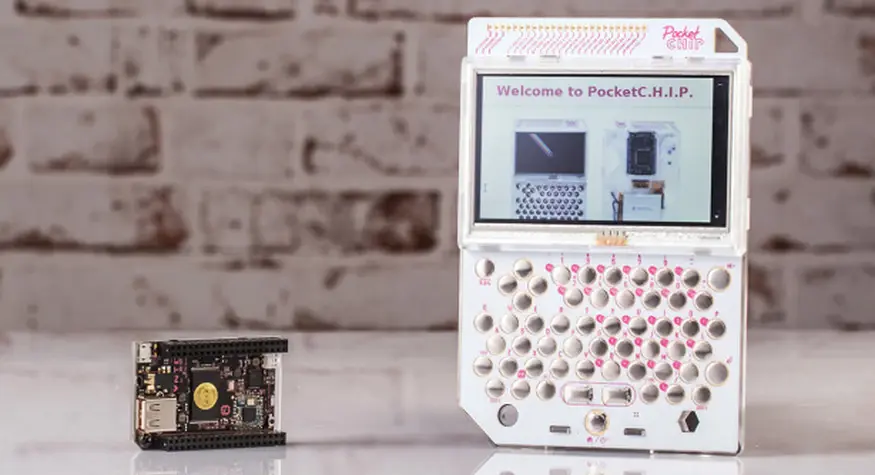
That same instinct led him, years ago, to mirror what was left of CHIP — the five-dollar Linux board whose Kickstarter quietly folded by splitting the rescue with another developer across the Atlantic. Half the repositories were saved in the United States, half in Malta, then exchanged. The boards in European hands kept working. Few anecdotes capture more clearly why the Software Heritage Archive exists.
Bridging Malta, Europe, and North Africa
Living in a country whose capital and former capital are both UNESCO World Heritage sites, Camilleri naturally reads software preservation as a form of heritage work. As an ambassador, he plans to extend that bridge-building in several directions: exploring partnerships with national cultural and digital innovation institutions, supporting the creation of open source program offices (OSPOs), and connecting peer communities around the Mediterranean — where Maltese-language and Maghreb Arabic translations of materials would meet a real need. As a member of the Open Regulatory Compliance Working Group, he also follows the policy discussions around the Cyber Resilience Act and its impact on open source.
Malta, as Camilleri puts it, is built on ‘international firsts’—a small country whose massive history and dense connections keep it right at the forefront. The Software Heritage mission operates on that same wavelength, turning small, local acts of preservation into a global archive built to outlast any single corporation or piece of hardware.
Software Heritage Ambassadors are volunteers who offer expert advice in various sectors and languages on how to use our services. Here’s more information on how to book one for a free consultation.
If you’d like to connect with Warren Camilleri, please reach out via LinkedIn.
We’re also seeking passionate individuals and organizations to volunteer as ambassadors and help grow the Software Heritage community. If you’re interested in becoming an Ambassador, please share a bit about yourself and your connection to the Software Heritage mission.