
Building software to support researchers

Computational pathology researcher and Software Heritage Ambassador Esha Nasir explains why the traditional PDF is obsolete and how Research Software Engineers (RSEs) help secure open science.
Computational pathology researcher and Software Heritage Ambassador Esha Nasir explains why the traditional PDF is obsolete and how Research Software Engineers (RSEs) help secure open science.
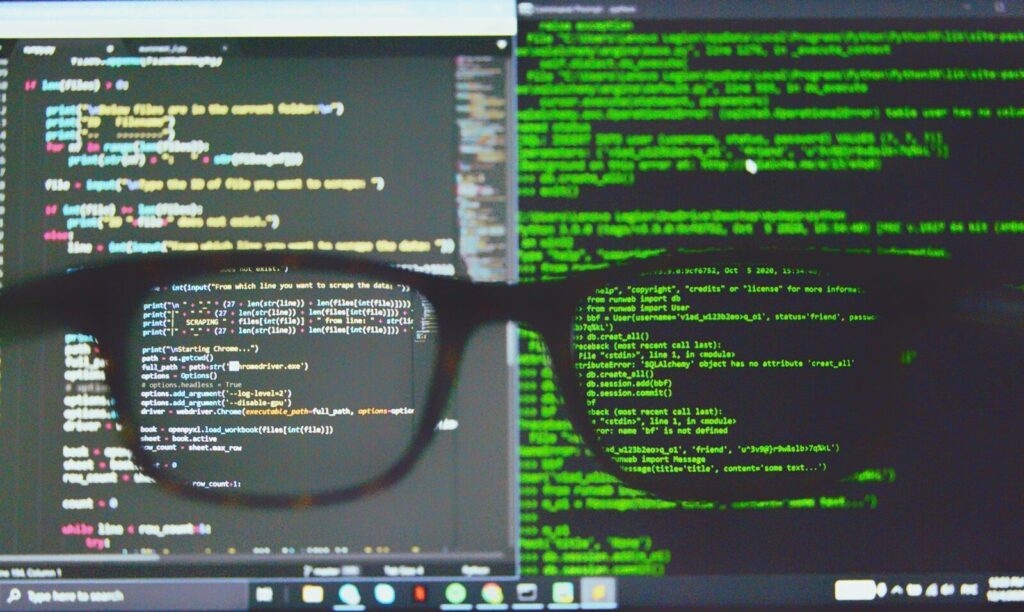
Beyond the license: Software Heritage and OIN have archived 900M lines of the Linux System Table. Discover how permanent code preservation creates a prior art shield against patent aggression and digital link rot.

Agustín Benito Bethencourt discusses the implementation of SWHID in modern development and the move toward evidence-based compliance.

The Couperin consortium is a non-profit association of French higher education and research establishments that aims to improve access to scientific and technical information for the scientific community by facilitating…

What happens to our code in 2030? As the digital world enters a “common winter” of enclosure and predation, Software Heritage is repositioning its 28-billion-file archive as a permanent utility. It’s no longer about just saving code; it’s about building a global tech stack that can survive the frost and protect human rights.
The era of the “free lunch” in open source is over. As the global economy rests on an invisible layer of volunteer-led code, the foundations are beginning to crack under the weight of “maintainer fatigue.” Leaders from the EU issued a blunt warning: digital sovereignty isn’t built on software alone—it’s built on the “invisible” labor of the people who maintain it.

As Open Science reaches a critical juncture, global experts explore how open infrastructures serve as essential digital public goods.

Experts from France, Brazil, and the UAE explore how open-source code and transparent archives provide the essential foundation for digital sovereignty, ethical development, and linguistic inclusion.

From scaling Software Heritage to Firefox’s users, the human mission behind web standards.

The University of Duisburg-Essen (uni-due) is committed to the principles of Open Science, which is an integral part of its mission in research and teaching. Transparency, reproducibility of research results,…